
Basements, Empty Rooms & Awkward Spaces: How to Stage the Unstageable
If you’ve ever looked at a room in your house and thought, “I don’t even know what to do with this space,” you’re not alone.
Almost every home has at least one room that feels awkward, confusing, or difficult to stage. Basements that feel like a dark, cluttered junk pile. Empty rooms with no clear purpose. Storage rooms that somehow became everything and nothing all at once. Utility rooms that are neglected.
These are the spaces sellers tend to ignore and unfortunately, that’s exactly why they can hurt a sale.
When buyers walk through a home, they aren’t looking for perfection. They’re looking for clarity. Every room should help answer one simple question: What would I do in here?
Below, I’ll walk you through how to stage the six most “unstageable” rooms in your home, so they feel intentional, functional, and appealing to buyers.

Why “Unstageable” Rooms Matter More Than You Think
It’s easy to focus all your attention on the main living areas (kitchen, living room, primary bedrooms, etc) and hope buyers will overlook the rest. But confusing rooms create hesitation and that is often the enemy of strong offers.
Buyers may not consciously say, “This room doesn’t work” but they sure feel it. When a home feels confusing or unfinished, they start mentally subtracting value.
Clear function builds confidence and confidence leads to offers.
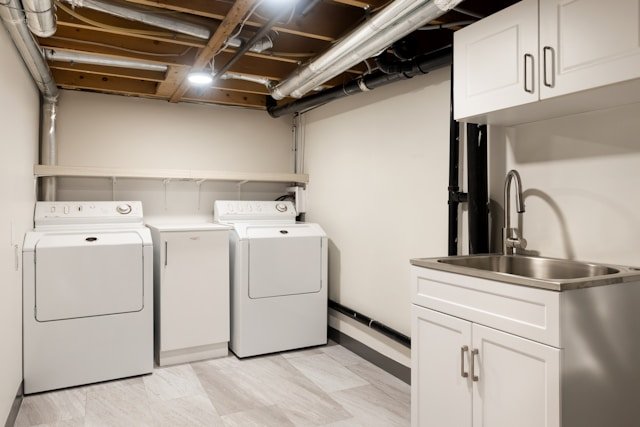
1. Basements That Feel Dark, Cold, or Neglected
Basements are one of the most common problem areas I encounter, often showing up with lighting issues, clutter, or unfinished spaces that need attention.
Common issues:
Poor lighting
Low ceilings
Too many functions competing at once with no divisions
What to do instead:
Choose one primary function in each area and stage for that. TV area, guest space, laundry, play area, or home office… not altogether, all at once.
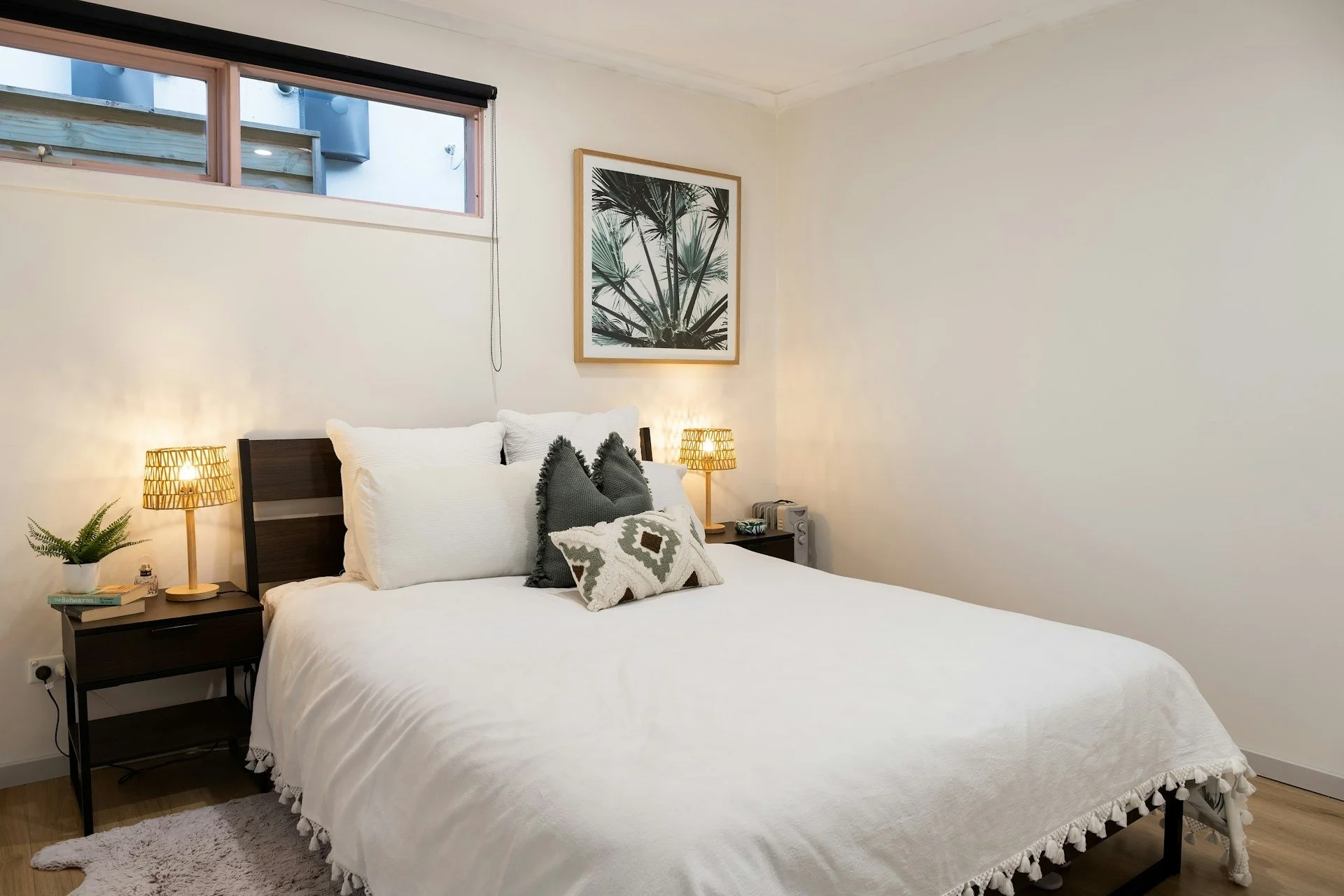
Layer lighting. Table lamps and floor lamps go a long way in warming up basements that often have single-bulb lighting and small windows.
Use area rugs to soften the space and visually define the function zones.
Remove excess storage from view. Buyers don’t need to see how much you can store, they need to see how they could live there. Even if things go into a stack of matching plastic totes, that is better than a pile of random items.
If your basement is undeveloped and used for storage only, just box & stack your items neatly in one area. If you also have a temporary guest room (aka: mattress on the floor), extra living room, or play area set up, consider defining the zones very clearly with area rugs and lighting (side table lamps, etc). It will always look undeveloped (and that’s just fine!), but adding in some tasteful decor and nicer accessories like throw pillows and neutral bedding, will help to make it look a bit more polished.
Keeping things bright, fresh, and immaculately clean are the most important aspects of staging a basement, especially if it’s not developed.
A basement doesn’t need to feel luxurious. It just needs to feel usable.
2. Bonus Rooms & Flex Spaces With No Clear Purpose
Bonus rooms often feel like a question mark for buyers.
Common issues:
Empty rooms that feel pointless
Catch-all spaces with mismatched furniture
Realtors saying “This could be anything!”
The problem? Buyers don’t want possibilities; they want clear & obvious use.
What to do instead:
Stage the room with a clear purpose:
Home office
Guest bedroom
Reading or hobby space
Movie room
Use just two or three key pieces to define the function.
Keep it simple. Clarity always beats creativity when selling.
You’re not locking buyers into a use, you’re just helping them imagine one.

3. Empty or Nearly-Empty Bedrooms
Bedrooms that are not being used often get a few awkward pieces put in them to make them look like ‘something’ or sometimes become a graveyard of unused household items.
Common issues:
Odd furniture placement (single rocking chair in the corner, one small desk with no chair, etc)
Art on the wall but no furniture
Room being used as storage for a pile of boxes or awkward larger items
What to do instead:
You have two good options: empty and spotless or staged with purpose. What doesn’t work is having the room half-staged.
A clean and empty room is okay! If going this direction, remove all items from walls (consider a ‘patch & repaint’ if needed), remove curtains if they are only decorative or look awkward in the now-empty room, give everything a deep clean (including carpets), and add bright light bulbs to the ceiling fixture.
If you are going to style as a functioning room (bedroom, home office, gym, playroom, reading room), then style with just enough simple furniture, art & accessories to give the room a clear purpose and make it feel good. Don’t forget the soft lighting!
Buyers are responding to how a room feels. When you give it a purpose and some life, it makes it easier to see (and feel) how it could function well.

4. Homes With Older Finishes (Including Honey Oak)
This is where I see many homeowners start to feel a bit overwhelmed. I’ve helped plenty of sellers with staging their older homes and the biggest mistake is trying to fight something outdated instead of supporting it.
Older finishes often make sellers feel like they need to hide or apologize for their home, which is just not the case.
What to do instead:
Use neutral wall colors to calm the palette.
Keep decor low-contrast and simple.
Let the finish / color / material be part of the story instead of fighting it.
Focus on cohesion throughout the home rather than trying to “fix” one room in isolation.
You don’t need to erase character to make a home feel market ready. You just need to style it properly.
5. Areas Used for Storage (That Don’t Have to Be)
Empty areas that have become storage areas are another common trouble spot. Places to look at: ends of hallways, stair landings, areas beside entry doors, corners of spare bedrooms, piles in home offices & craft rooms.
Common issues:
Boxes & extra ‘junk’ that just doesn’t belong in that spot
Overloaded shelving
No other visible function other than ‘pile of things goes here’
What to do instead:
Remove as much visible storage from these areas as possible (max out the garage, closets, cabinets & storage rooms if possible).
Group remaining items neatly and intentionally.
If the area is empty, add one or two simple staged elements if the space needs some definition — a desk, a chair, a lamp, a bookcase — to suggest how the space could be used.
Buyers want to imagine living in a space, not reorganizing it.
If you want to read about the hidden costs of selling your home as-is, check out this post.
6. Utility Rooms

Rooms that are purely functional and tucked behind a closed door often get forgotten in a staging plan. But buyers notice maintenance. A clean, accessible utility room quietly signals that this home has been cared for.
Common issues:
Piles of old maintenance supplies
Boxes & things like extra paint cans blocking the pathway
Dirty utilities (furnace, hot water tank, etc) making them look unmaintained
What to do instead:
Make sure the floor is clear & clean (consider painting it if it’s in poor shape)
Box & stack all maintenance supplies & paint cans along the wall or remove entirely.
Ensure the path to the utilities themselves is clear
Check to make sure light bulbs are nice and bright and access to the switch or cord is clear.
Dust & wipe down all utilities themselves – this ensures buyers can see your home is well-maintained.
It’s important to buyers to know that your home has been well cared for and that it will be easy for them to continue to do so.
Looking for some specific advice about exactly what to do to stage your bathroom?
Staging Is About Providing Direction, Not Decoration
Staging unstageable rooms isn’t about making them perfect, it’s about giving them direction and clear purpose.
You don’t need every room or space to be styled beautifully but every room should make sense. When buyers understand how a home functions, they feel more confident moving forward with an offer.

The Staging Prep Kit is here & it’s free!
If you are getting ready to sell your home, this is for you.
If you are a realtor and looking for a staging plan to include in your new client kits, this is also for you!
A curated, strategic grouping of my checklists & tips for staging your own home. I created it to teach you exactly what you need to do and how to do it as simply as possible.
Link to download is in the footer!