
Sometimes a room just doesn't feel right.
It might be a bedroom that feels cluttered despite being tidy or a family room that never seems quite comfortable, regardless of how often the furniture is rearranged. You might have spent time and money decorating the space but something still feels off.
When a client hires me to help with a room like this, I usually start with two things: editing what has accumulated over time and getting creative with how the layout works for the activities that take place there.
More often than not, the solution is simpler than you might expect.
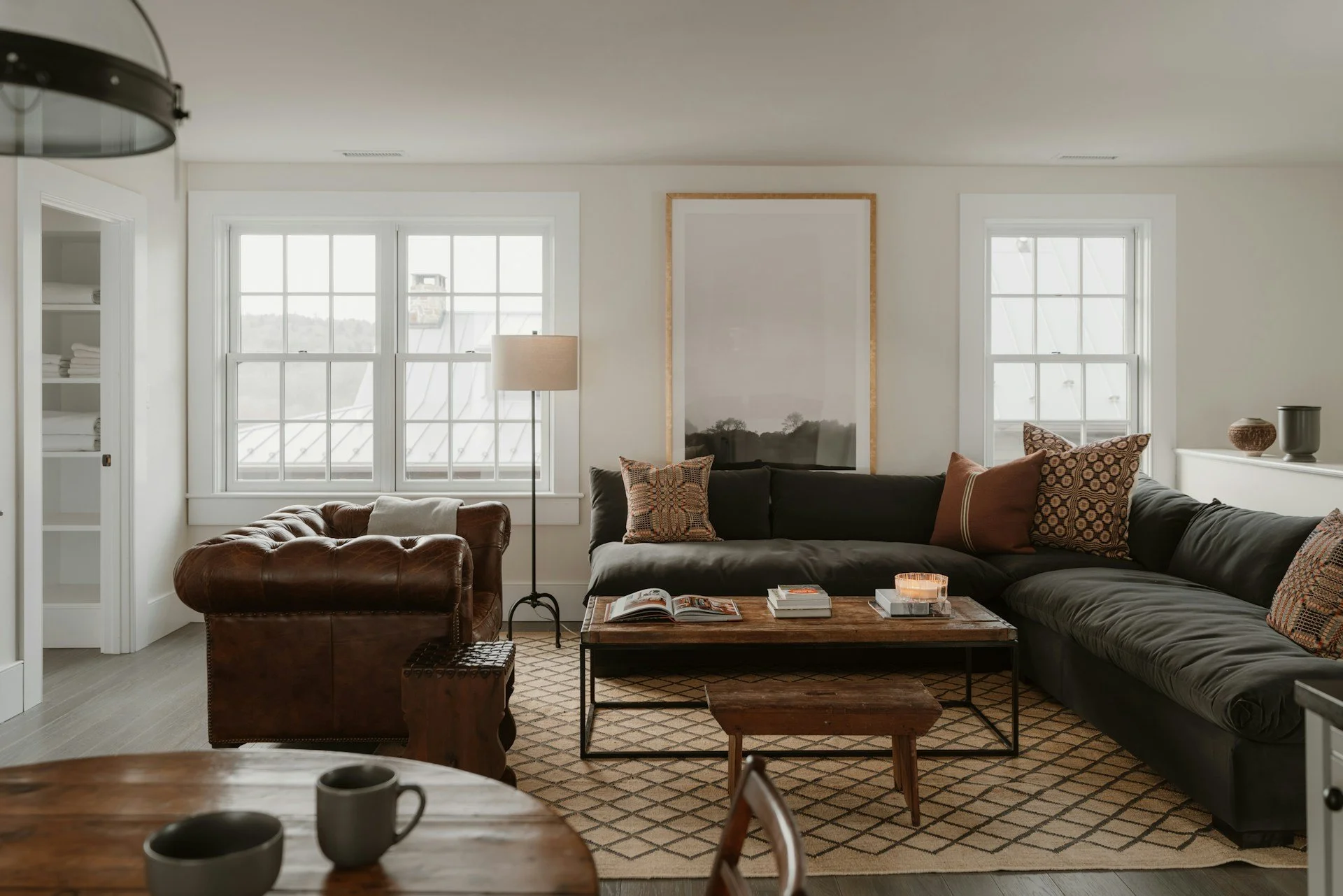
A Room Can Be Cluttered and Impersonal at the Same Time
One of the things I often notice is the combination of everyday belongings and decorative items that have been purchased to make a room feel finished.
The everyday things are easy to understand: books, paperwork, and the little odds and ends of daily life gradually find places to land. Alongside them there might be decorative objects, art, or accessories that were purchased because they looked nice in a store or seemed like something the room needed.
Individually, there may be nothing wrong with any of these things. Together, though, they can create a space that feels both visually cluttered and strangely impersonal.
The room may be full of things that look nice, but very little that actually reflects the people who live there.
I don't believe a home needs to be perfectly styled or that every surface should be cleared. In reality the most comfortable and interesting homes have character and that comes from the people who live there.
The important thing is being intentional about what we choose to keep in a room and keeping the function of the layout as the foundation.
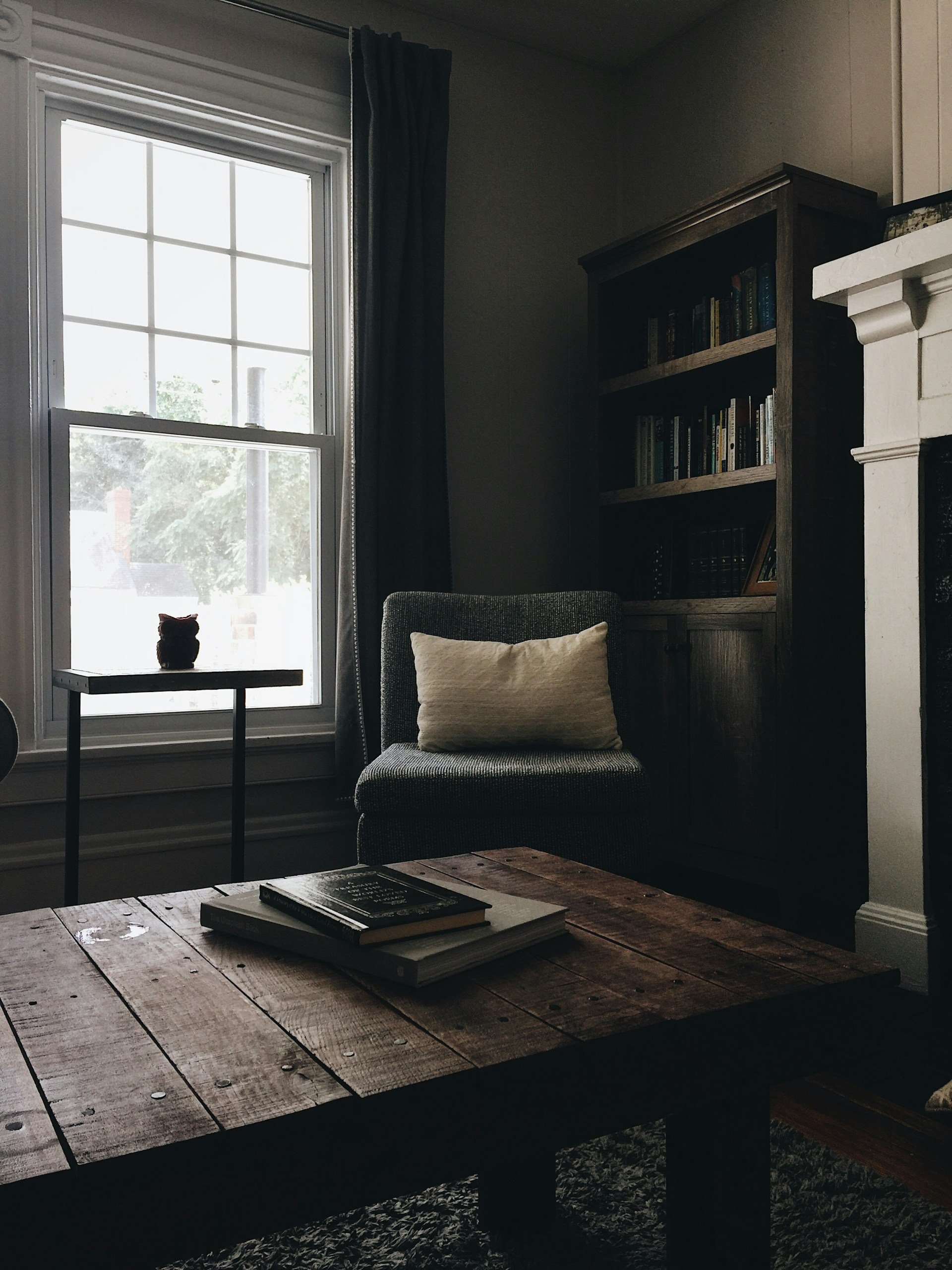
Start With What You Actually Do in the Room
Before thinking about paint colors, new furniture, or decorating, I like to ask a very simple question:
What do you do in this room?
It might sound obvious but it's surprisingly easy to lose sight of a room's purpose as our lives change and our belongings accumulate.
A living room might be the place you watch tv, read, entertain guests, or where your kids play on the floor. Maybe it's also where someone likes to work on a puzzle, where you do some work on your laptop, or where the family piles onto the couch at the end of the day to watch a movie.
Once we understand how a room is being used then we can start to identify the furniture, storage, and arrangements that support those activities.
This gives us a much better starting point than simply deciding what looks attractive.
It also helps us recognize when a piece of furniture or an arrangement is no longer serving the room particularly well.
Question What Belongs
When I'm working with clients I often ask questions about the things already in their space.
Do you use this?
Can this go?
Tell me about this.
They're simple questions but they often lead to surprisingly easy decisions.
Sometimes a piece of furniture has been sitting in the same place for years, even though no one really uses it. An accessory might have been purchased to fill an empty corner but no longer feels necessary. Other things may have simply migrated into the room because there was nowhere else convenient to put them.
Often clients are quite happy to remove these items once we've talked about them.
Removing something doesn't necessarily mean getting rid of it, either. It might be better used in another room, or it might simply need to be put into storage for awhile.
Of course, there are also belongings that have real meaning to the people who live in the home. Those are worth understanding and making room for. Sometimes I find that something with so much importance has slowly migrated to a bottom shelf and isn’t even seen anymore.
The objective isn't to remove everything unnecessary or create a minimalist interior. It's to make thoughtful decisions about what belongs in the space.

Look at the Layout Before Replacing the Furniture
The other thing I pay close attention to is how a room is arranged.
Sometimes the problem isn't what's in the room at all. It's how everything relates to each other.
Furniture might be too close together, making the space feel crowded, or too far apart to create a comfortable seating arrangement. A large piece might overwhelm the room, while several smaller pieces can make it feel unnecessarily busy.
Traffic flow is another common issue. If you have to walk around the end of a sofa, squeeze between chairs, or take an awkward route to move through a room, the arrangement probably deserves another look.
These issues can be difficult to see when you've lived with the same furniture arrangement for a long time. You become accustomed to walking around things or adjusting how you use the space.
Before purchasing anything new, see whether the existing pieces can be arranged in a way that creates better balance, more comfortable spacing, and clearer paths through the room.
Sometimes moving just one or two pieces is enough to change how the entire space feels.
Try Looking at Your Room With Fresh Eyes
If a room in your home isn't feeling quite right, set aside an hour to look at it a little differently.
Start by standing in the doorway and taking in the whole space. Try to set aside how you've always arranged the furniture and think about what you need the room to do. Create groupings with that in mind.
No detail is too small. If you have your early morning coffee on one side of the couch, make sure there's a small table for your cup, a lamp for reading, and a basket nearby filled with your grandma's quilts.
Consider a few simple questions:
What do we use this room for? Make sure the furniture and arrangement support those activities.
What doesn't belong here? Look for things that have accumulated over time, furniture that isn't being used or decorative pieces that don't really contribute anything to the room.
Is it comfortable to move through? Walk the paths you normally take. Notice where you have to squeeze past furniture, walk around obstacles, or make awkward turns.
Does the furniture feel balanced? Look at the scale of the pieces, the spacing between them, and whether some areas feel crowded while others feel disconnected.
Then make a few changes. Move unnecessary items out of the room temporarily, try a different furniture arrangement, or give a favorite piece a little more breathing room.
You don't need to make every decision at once, and nothing needs to be permanent. Sometimes it's easier to recognize what works once you've had a chance to try out using the room differently.
Before buying anything new, spend a little time living with the changes you've made. You may find that the room already has much of what it needs.
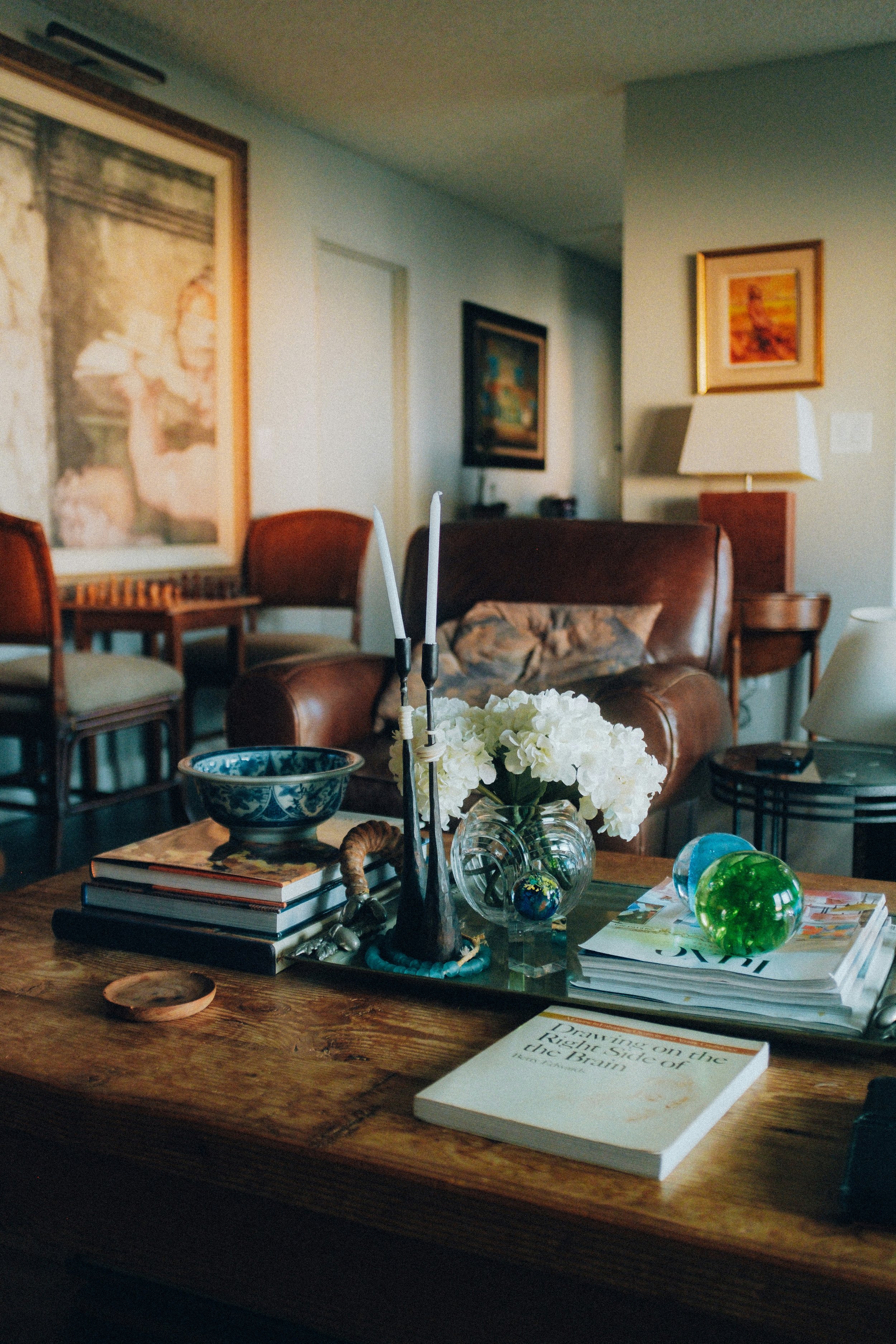
A Room That Feels Like Yours
Good design isn't always about adding something new.
Sometimes it's about making better use of what you already have, giving meaningful belongings the space they deserve, and creating an arrangement that feels comfortable and natural to live in.
A room doesn't need to look like a photograph from a magazine to be successful. It needs to work for the people who use it, reflect something of their personalities, and make everyday life a little more comfortable.
And quite often, that starts with asking what you actually do there.